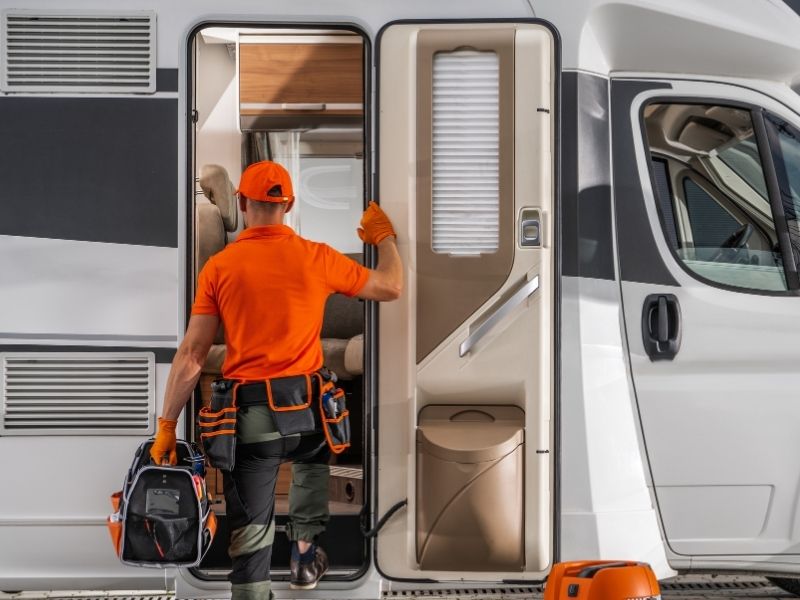
Owning an RV gives you the freedom to travel comfortably while exploring new destinations, but unexpected repairs and maintenance issues can quickly turn an exciting trip into a stressful experience. The good news is that with proper care and regular maintenance, you can keep your RV running smoothly and avoid many costly problems along the way.
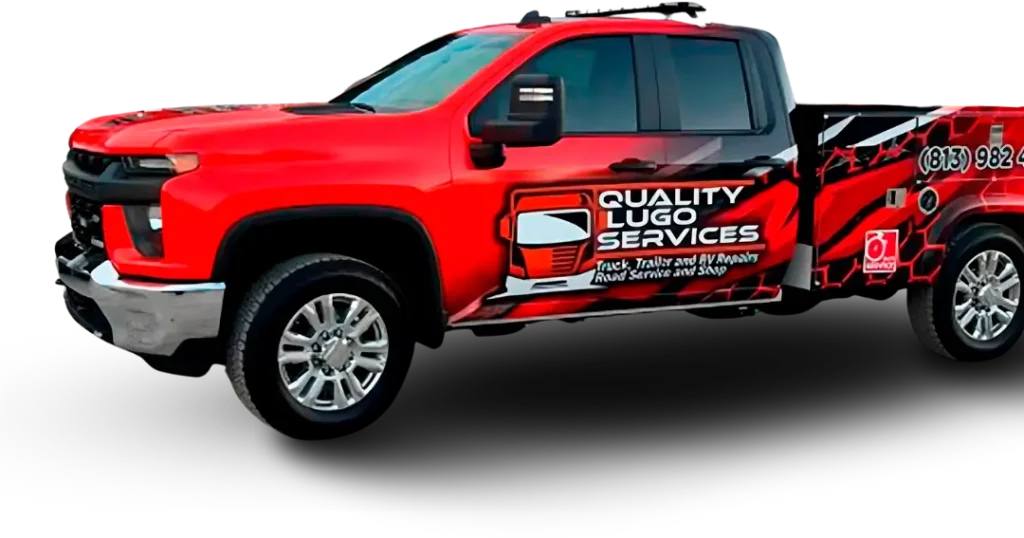
Need fast assistance? We specialize in quick and efficient emergency repairs for trucks, trailers, and RVs. Visit our website today for more information.
Why RV Maintenance Is So Important
RVs combine the features of both a vehicle and a home, which means they require consistent maintenance to stay safe and reliable on the road. From tires and brakes to plumbing and electrical systems, every component plays an important role in ensuring a smooth trip.
Routine inspections and repairs help prevent breakdowns, improve safety, and reduce the risk of expensive emergency repairs during your travels.
Understanding the Different Types of RVs
There are several types of RVs, and each comes with unique maintenance needs.
Motorhomes
Motorhomes are self-powered RVs that include living spaces and built-in engines. They are divided into:
- Class A: Large luxury motorhomes with spacious interiors
- Class B: Compact camper vans with basic amenities
- Class C: Mid-sized motorhomes that balance comfort and drivability
Travel Trailers
Travel trailers are towed behind another vehicle using a hitch system. They range from small lightweight campers to large fifth-wheel trailers with expanded living space.
Pop-Up Campers
Pop-up campers are compact, foldable trailers designed for lightweight towing and easy storage. They typically include basic sleeping and cooking areas.
Our team is available 24/7 to assist you whenever you need help on the road.
Essential Tools for DIY RV Repairs
Having the right tools available can help you handle minor RV repairs and maintenance without unnecessary delays.
Basic Hand Tools
Keep essential tools such as screwdrivers, pliers, adjustable wrenches, and hammers in your RV at all times.
Electrical Tools
A multimeter, wire strippers, and electrical connectors can help diagnose and repair common electrical issues.
Plumbing Tools
Leaks and plumbing problems are common in RVs, so adjustable wrenches and pipe cutters can be extremely useful.
Tire Repair Kit
A tire repair kit should include a tire pressure gauge, air compressor, plugs or patches, and the tools needed to change a tire safely.
Lubricants and Sprays
Products like WD-40 or silicone spray can help maintain hinges, locks, slide-outs, and other moving components.
RV Maintenance Tips to Prevent Major Repairs
Preventative maintenance is one of the best ways to avoid expensive repairs and unexpected breakdowns.
Inspect Tires Regularly
Check tire pressure, tread wear, and overall tire condition before every trip to improve safety and fuel efficiency.
Examine the Roof
Inspect your RV roof regularly for cracks, leaks, or damaged seals that could lead to water damage.
Replace Fluids and Filters
Stay up to date with oil changes, transmission fluid, brake fluid, air filters, and fuel filters according to manufacturer recommendations.
Maintain Appliances
Clean and inspect appliances regularly, including propane systems, vents, and exhaust fans.
Check Electrical Systems
Inspect batteries, wiring, outlets, and electrical connections for signs of corrosion or wear.
Our trained team is ready to help solve any RV problem quickly and professionally. Contact us today!
Important RV Repair Safety Tips
Safety should always come first when performing RV repairs or maintenance.
Wear Protective Equipment
Use gloves, safety glasses, and appropriate footwear while working on your RV.
Use the Proper Tools
Always use tools designed for the specific repair to avoid injuries or accidental damage.
Disconnect Power Sources
Before starting repairs, disconnect shore power and turn off batteries or generators.
Be Careful Around Gas Lines
Turn off propane valves before working on gas-related systems and inspect carefully for leaks afterward.
Use Jack Stands
If working underneath your RV, always use jack stands for support instead of relying only on hydraulic jacks.
Call us for truck repair road service here. We are in Florida, Texas and Georgia. Open 24/7.