Imagine driving down the highway with your trailer when suddenly something goes wrong. A breakdown can quickly turn into a stressful and unsafe situation, especially if you’re far from help. Knowing how to handle an emergency trailer repair can make a huge difference in keeping yourself safe and getting back on the road faster.
Our team is available 24/7 to assist you. Visit our website today for fast and reliable service.
Common Trailer Problems and How to Identify Them
Understanding the most common trailer issues can help you react quickly and prevent further damage.
Flat Tires
Flat tires are one of the most frequent trailer problems. They can happen due to road debris, worn tires, or improper tire pressure. Signs of a flat tire include poor handling, unusual noises, or visible tire damage. Always carry a spare tire and the tools needed for replacement.
Electrical Problems
If your trailer lights stop working correctly, the issue may be related to blown fuses, damaged wiring, or battery problems. Inspect all connections and wiring for visible damage before seeking professional assistance.
Brake Failures
Trailer brake problems can seriously impact safety. Difficulty stopping, uneven braking, or unusual noises may indicate brake system issues that should be addressed immediately.
Bent Axles
Overloading a trailer or hitting potholes and curbs can bend the axle. Common signs include uneven tire wear, poor steering control, and vibrations while driving.
Engine Overheating
When towing heavy loads, overheating can occur if there are cooling system problems such as low coolant levels, radiator issues, or thermostat failures. Pull over immediately if your engine temperature rises too high.
Important Safety Tips During a Trailer Emergency
Staying calm and following proper safety procedures is essential during a breakdown.
Pull Over Safely
Move your vehicle to a safe location away from traffic if possible. Turn on your hazard lights immediately.
Evaluate the Situation
Inspect the trailer carefully for smoke, strange noises, leaks, or visible damage to determine the severity of the problem.
Secure the Vehicle
Use wheel chocks and engage the parking brake to prevent the trailer from moving unexpectedly.
Use Warning Devices
Place reflective triangles or cones around the area to alert other drivers and improve roadside safety.
Wear Protective Equipment
Gloves, safety glasses, and proper footwear can help protect you while inspecting or handling trailer issues.
Call for Professional Assistance
If you are unable to fix the issue safely, contact a professional roadside assistance or trailer repair service.
Need reliable assistance? Our experienced team specializes in complete heavy-duty diesel and trailer repair solutions.
Step-by-Step Guide to Diagnosing Trailer Problems
1. Identify the Issue
Start by checking lights, tires, brakes, and visible trailer components for damage or unusual wear.
2. Inspect Electrical Connections
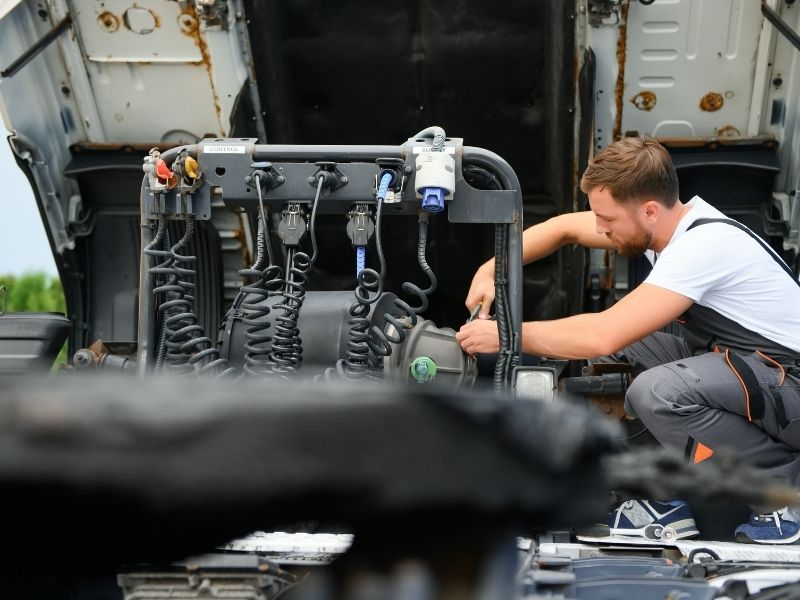
Loose or damaged wiring is a common cause of trailer problems. Ensure all electrical connections are secure and functioning properly.
3. Check the Towing Vehicle
Sometimes the issue may come from the towing vehicle rather than the trailer itself. Inspect dashboard warning lights and listen for unusual engine noises.
4. Address Tire Problems
Inspect tire pressure and tread condition regularly. If you experience a flat tire, park on stable ground before replacing it.
5. Examine the Brake System
Check brake fluid levels and inspect for leaks or worn brake components if braking performance feels unusual.
6. Tighten Loose Components
Loose bolts, hinges, or trailer parts can create dangerous situations if ignored. Secure any loose hardware before continuing your trip.
Tips to Prevent Future Trailer Breakdowns
Preventative maintenance is the best way to reduce the risk of roadside emergencies.
Perform Regular Maintenance
Inspect your trailer regularly and follow a consistent maintenance schedule.
Maintain Tires Properly
Check tire pressure and condition before every trip to reduce the risk of blowouts.
Inspect Lights Frequently
Make sure all lights and signals are functioning correctly before traveling.
Avoid Overloading
Exceeding your trailer’s weight limit can place unnecessary strain on tires, axles, and suspension components.
Use High-Quality Replacement Parts
Investing in reliable parts helps improve performance and reduces the chance of future breakdowns.
Our trained team is ready to help solve any trailer issue quickly and efficiently. Contact us today!
What to Do If You Cannot Repair the Problem Yourself
If you’re unable to fix the issue safely, focus on protecting yourself and your passengers while waiting for assistance.
Pull over to a safe area, activate your hazard lights, and use warning triangles or flares if available. Try to identify the issue and contact a trusted trailer repair or towing service with experience handling trailers.
While waiting for help, remain in a safe location away from traffic whenever possible. Avoid attempting repairs unless you have the proper training and tools to do so safely.
Call us for truck repair road service here. We are in Florida, Texas and Georgia. Open 24/7.