Ready to stay ahead of unexpected breakdowns on the road? Understanding the basics of semi-truck troubleshooting can help you avoid delays, improve safety, and keep your truck operating efficiently. From engine problems to electrical failures, knowing how to identify common issues early can save you both time and money.
Our experienced team is fully trained and ready to help solve any heavy-duty truck problem. Contact us today!
The Importance of Semi-Trucks in Transportation
Semi-trucks are one of the most important parts of the transportation industry. These heavy-duty vehicles move products and supplies across long distances every day, helping businesses and communities stay connected.
A semi-truck typically consists of two main parts:
- The tractor or cab, which contains the engine and driver controls
- The trailer, which carries cargo and freight
This design allows semi-trucks to transport large and heavy loads more efficiently while distributing weight properly for safer driving.
There are several types of semi-trucks designed for different purposes, including:
- Conventional day cabs
- Sleeper cabs for long-distance travel
- Flatbed trailers for oversized cargo
- Specialized trailers for unique freight needs
Modern trucks also include advanced technology such as GPS systems, electronic logging devices, and safety monitoring systems to improve performance and safety.
Understanding Basic Semi-Truck Troubleshooting
Every truck driver should understand the basics of troubleshooting common issues before they become serious problems.
Learn Your Truck’s Main Components
Become familiar with important systems such as:
- Engine
- Transmission
- Brakes
- Tires
- Cooling system
- Electrical system
Knowing where these components are located and how they function can help you identify issues more quickly.
Watch for Warning Signs
Pay attention to unusual noises, vibrations, warning lights, smoke, or sudden changes in fuel efficiency. These signs may indicate developing mechanical problems.
Keep Basic Tools Available
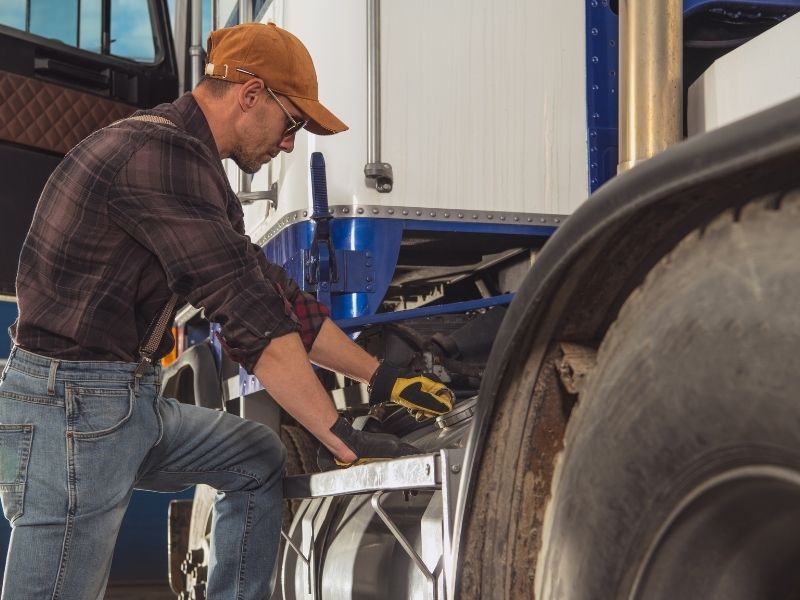
Carrying simple tools such as screwdrivers, wrenches, and pliers can help with minor roadside fixes and inspections.
Use Your Owner’s Manual
Your truck’s manual provides valuable maintenance schedules, troubleshooting information, and repair guidance specific to your vehicle.
Need professional assistance? Our expert team specializes in complete heavy-duty diesel repair solutions.
Common Semi-Truck Problems
Engine Overheating
Overheating is a common issue that can result from low coolant levels, cooling system failures, or thermostat problems. Ignoring overheating can lead to severe engine damage.
Electrical System Failures
Electrical issues can involve dead batteries, damaged wiring, alternator failures, or faulty sensors. These problems may affect lighting, communication systems, and overall truck performance.
Brake Problems
Brake wear is common in heavy-duty trucks due to the weight they carry. Poor braking performance, unusual noises, or uneven stopping should be inspected immediately.
Tire Wear and Damage
Improper tire pressure, overloading, and road conditions can lead to tire damage and unsafe driving conditions.
Because every truck is different, drivers should inspect their vehicles regularly and stay alert for signs of trouble before starting a trip.
Tips to Keep Your Semi-Truck Running Smoothly
Perform Regular Maintenance
Routine inspections and preventative maintenance are essential for avoiding major breakdowns.
Follow Manufacturer Recommendations
Always follow your truck manufacturer’s recommended maintenance intervals and service guidelines.
Maintain Tires Properly
Inspect tire pressure, tread depth, and overall tire condition regularly to improve safety and fuel efficiency.
Monitor Fluid Levels
Check engine oil, coolant, transmission fluid, and brake fluid frequently to prevent unnecessary wear and overheating.
Use High-Quality Fuel
Using quality diesel fuel helps improve engine performance and reduce long-term mechanical issues.
Our team is available 24/7 to provide reliable roadside and repair assistance whenever you need it.
How to Handle Emergency Situations on the Road
Tire Blowouts
If a tire blows out while driving:
- Stay calm and avoid sudden braking
- Maintain control of the steering wheel
- Gradually slow down and move to a safe location
- Turn on hazard lights and inspect the damage
Brake Failure
If your brakes stop working properly:
- Downshift if possible
- Use engine braking systems
- Warn nearby drivers using your lights or horn
- Carefully steer to a safe open area
- Apply parking brakes gradually
Engine Problems
If your engine overheats or experiences mechanical failure:
- Pull over safely
- Shut off the engine and allow it to cool
- Inspect fluid levels if safe to do so
- Contact roadside assistance or a repair professional if necessary
Being prepared for emergencies and staying proactive with maintenance can help keep both you and others safe on the road.
Call us for truck repair road service here. We are in Florida, Texas and Georgia. Open 24/7.